


For over a century, the textile industry has
remained constrained by a fundamental
challenge: high pollution.
Today, with our proprietary AirColor dyeing technology, we have overcome long-standing limitations in supercritical dyeing?elivering breakthroughs across the entire value chain: waterless dyeing, AI-driven scalable production,
and zero-emission manufacturing.
Supercritical dyeing Mass production AI smart manufacturing Zero-pollution Emissions

A 3,000-year constraint that
has defined dyeing
Today, we've move beyond water, and chosen Carbon Dioxide. In its supercritical state, it possesses both the penetrating power of a gas,
and the dissolving power of a liquid. This means, the dyeing process
requires not a single drop of water.


Supercritical fluid dyeing is a new eco-friendly technology that utilizes
supercritical fluid (CO2) as a solvent for dyes to complete the dyeing process.
When a substance is in a state exceeding its critical temperature and pressure, it possesses characteristics of both gas and liquid, known as a known as a supercritical fluid.
Carbon dioxide is the most commonly used supercritical fluid, with a critical temperature of 31.1°C and a critical pressure of 7.38Mpa.
Supercritical CO2 has liquid-like dissolving capabilities, enabling it to dissolve hydrophobic dyes.
It also possesses the penetration characteristics of gas, allowing it to penetrate deep into fibers and effectively improve dyeing efficiency.
By using supercritical CO2 to dissolve dyes under high temperature and pressure, dye molecules can effectively diffuse into the fibers.
Tap the image to view
Tap the image to view



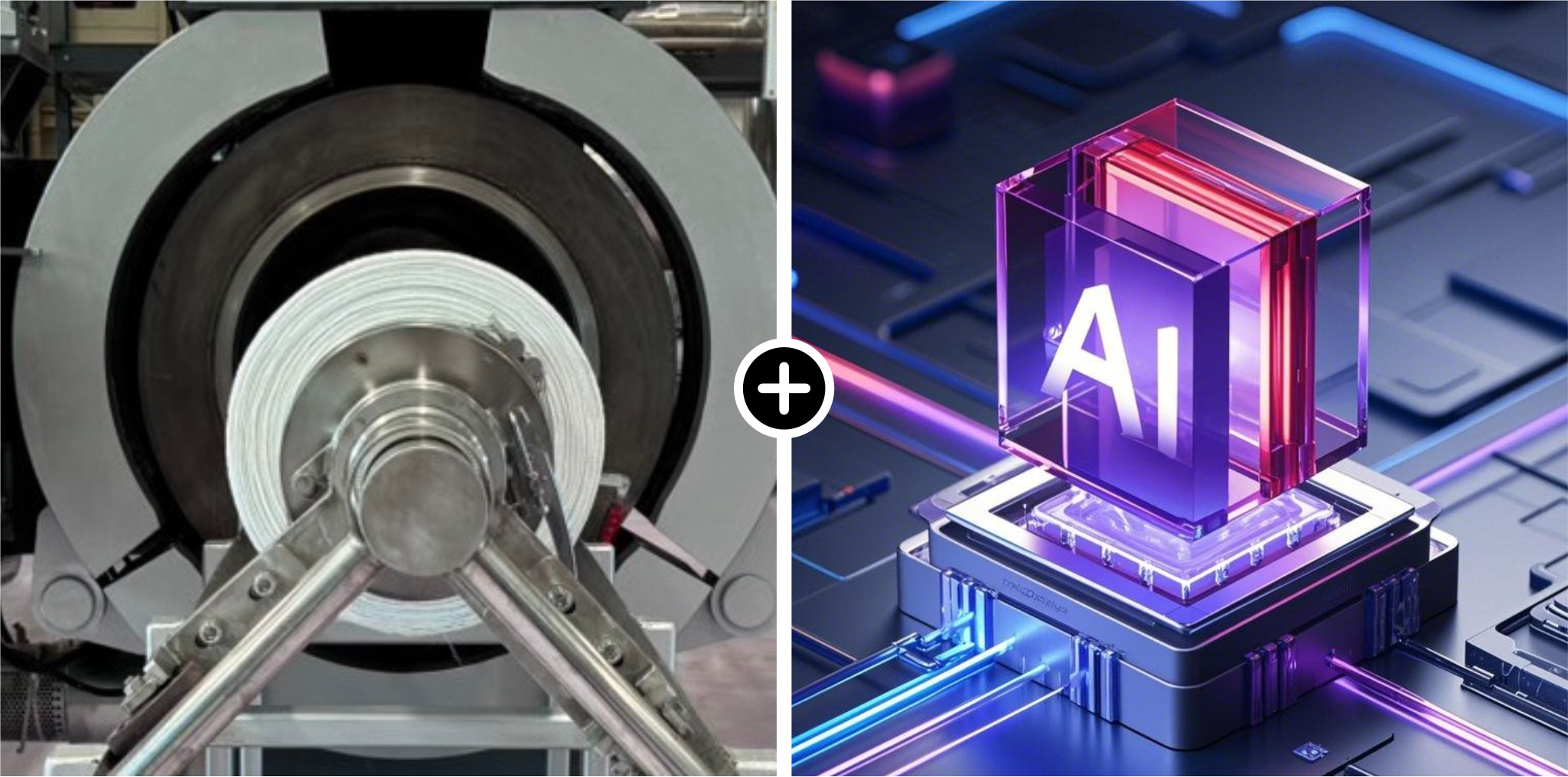
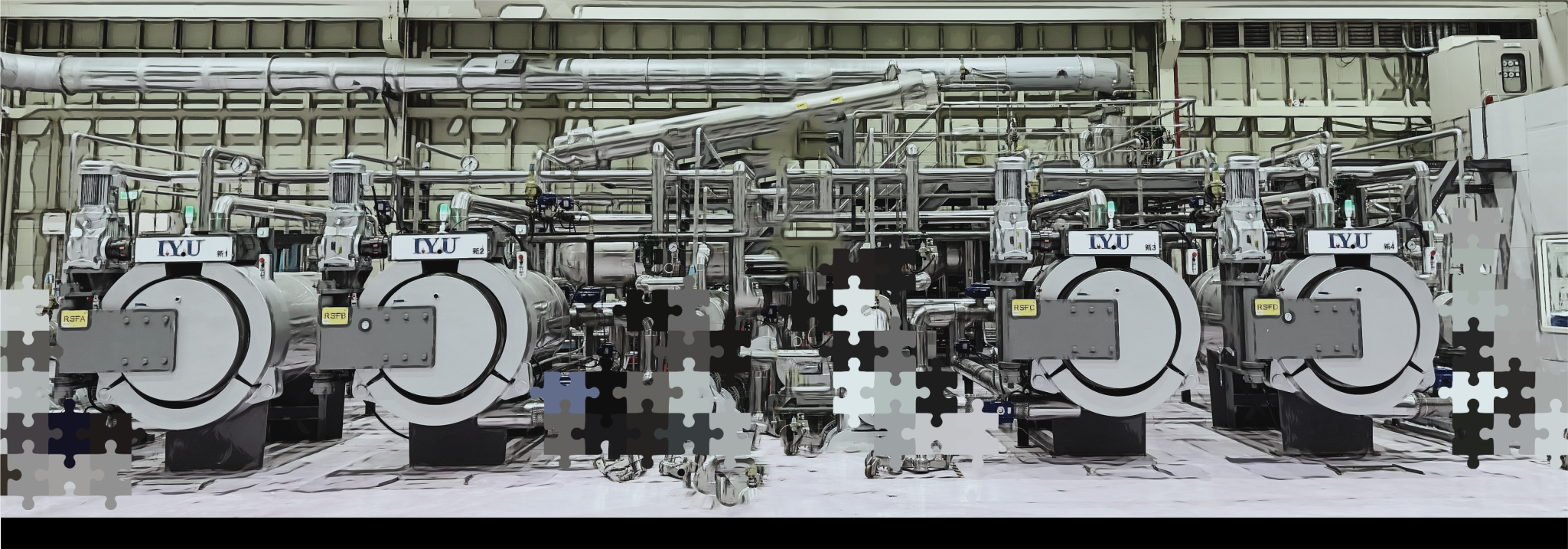
Achieving High Production Reproducibility
Gas dyeing begins: the fabric beam enters the vessel, moving into the core dyeing stage.
We use supercritical CO2 fluid as the dyeing medium?no water is used throughout the process, resulting in zero wastewater discharge.
More importantly, we have pioneered the industry's first AI fully automated production system. By automating core processes, we completely eliminate manual errors, achieving high reproducibility and ensuring the ultimate stability of bulk production.

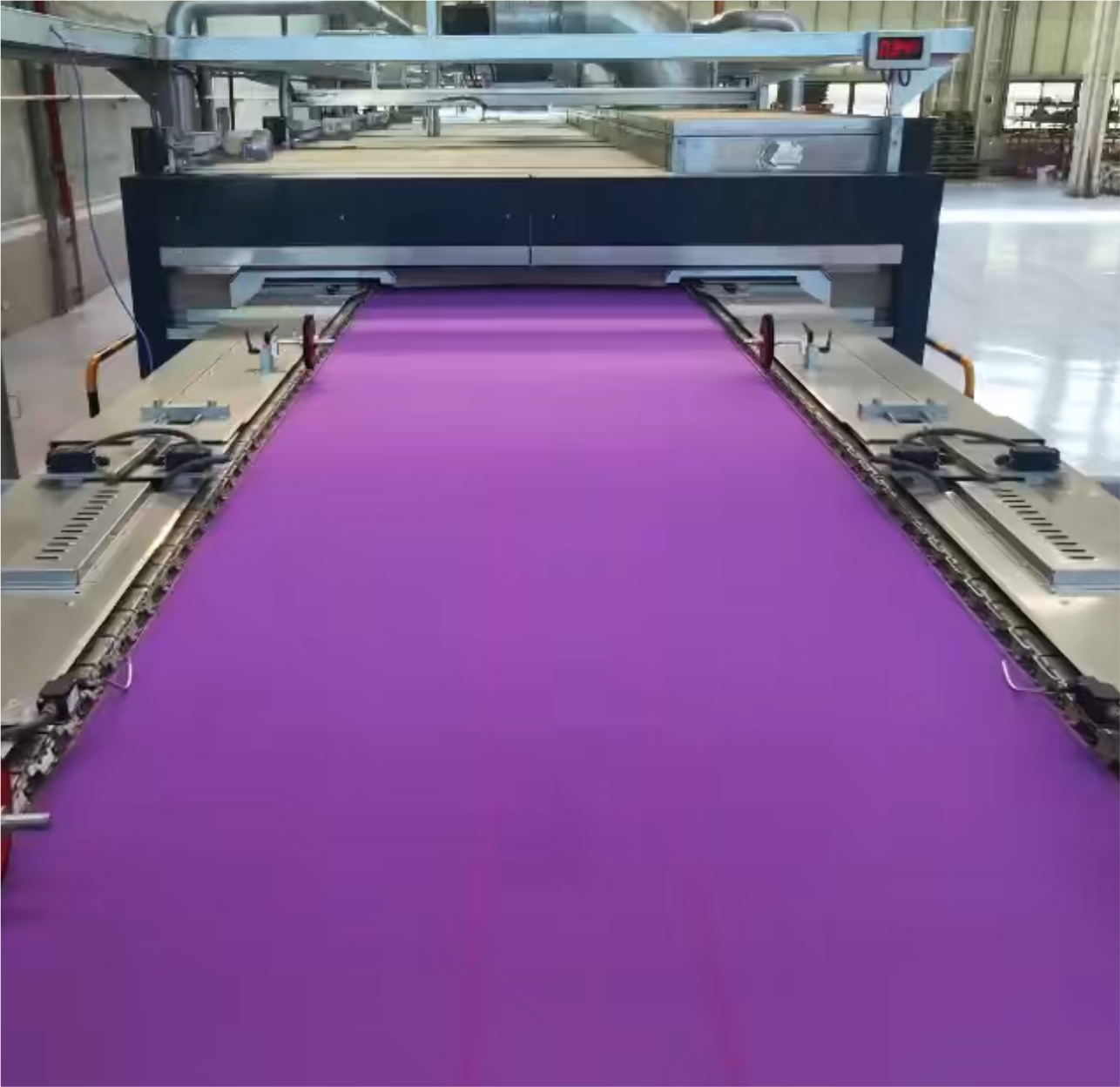
After gas dyeing, the fabric can be
further finished to meet customer
requirements?enabling hand feel
adjustment, functional customization,
and secondary heat setting to support
diverse production needs.
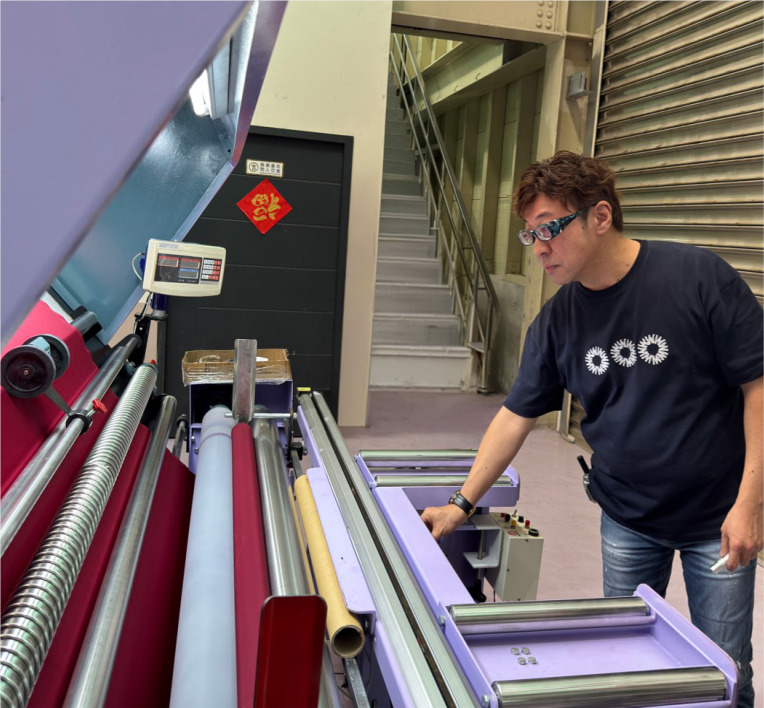
Fabrics that have completed all processes undergo standardized quality inspection before being packaged, inventoried, and officially shipped for delivery.
Prevent cross-contamination


In supercritical dyeing, the dye dissolves directly in the supercritical fluid, eliminating the need for any chemical auxiliaries.
In the supercritical state, the dye penetrates deeply into the fiber, resulting in improved wash fastness and rub fastness compared to conventional dyeing processes.
The process eliminates energy-intensive stages found in conventional dyeing, resulting in significantly improved energy efficiency.
By eliminating steps such as dewatering and drying, the overall production process is significantly simplified.
Tap the image to view
If a color change is required after production, the vessel is washed via a closed-loop cleaning system, effectively eliminating color ontamination and cross-dyeing issues.
Cleaning water is recycled through the purification system with no discharge, ensuring a green and pollution-free production process.